


Hello again! Before we jump into this week's musings, let me start by apologizing. It’s been six (gasp) weeks since you’ve heard from me. Six. Mea culpa. It’s been a whirlwind home stretch to 2024 as I’m sure it’s been for you. So hopefully you didn’t even notice that my weekly commentary didn’t land in your inbox (which is a different problem I need to figure out altogether), or you’ve missed receiving your latest TE updates so much that you can forgive me the hiatus (read: much better problem for me to have).
As snow starts to falls, Christmas markets are open everywhere, and homes are decorated in beautiful lights - we’re in for a few more important posts that will set the stage for 2025.

 Tiktok failed to load.
Enable 3rd party cookies or use another browser
Did you watch the Christmas lights techno party a bunch of times on repeat? I’m with you.
Before we get to unwrap our gifts underneath the Christmas tree, we’ll unpack a few items from the worlds of tech and entertainment: from reviewing the top 2024 headlines, to predictions for 2025, and a highly anticipated movie plus game launch that will offer a glimpse into the world of transmedia strategy we’ll explore in depth next year. For today, we’ll recap the most important themes from this year’s RovioCon in Helsinki - by far my favorite games industry event.
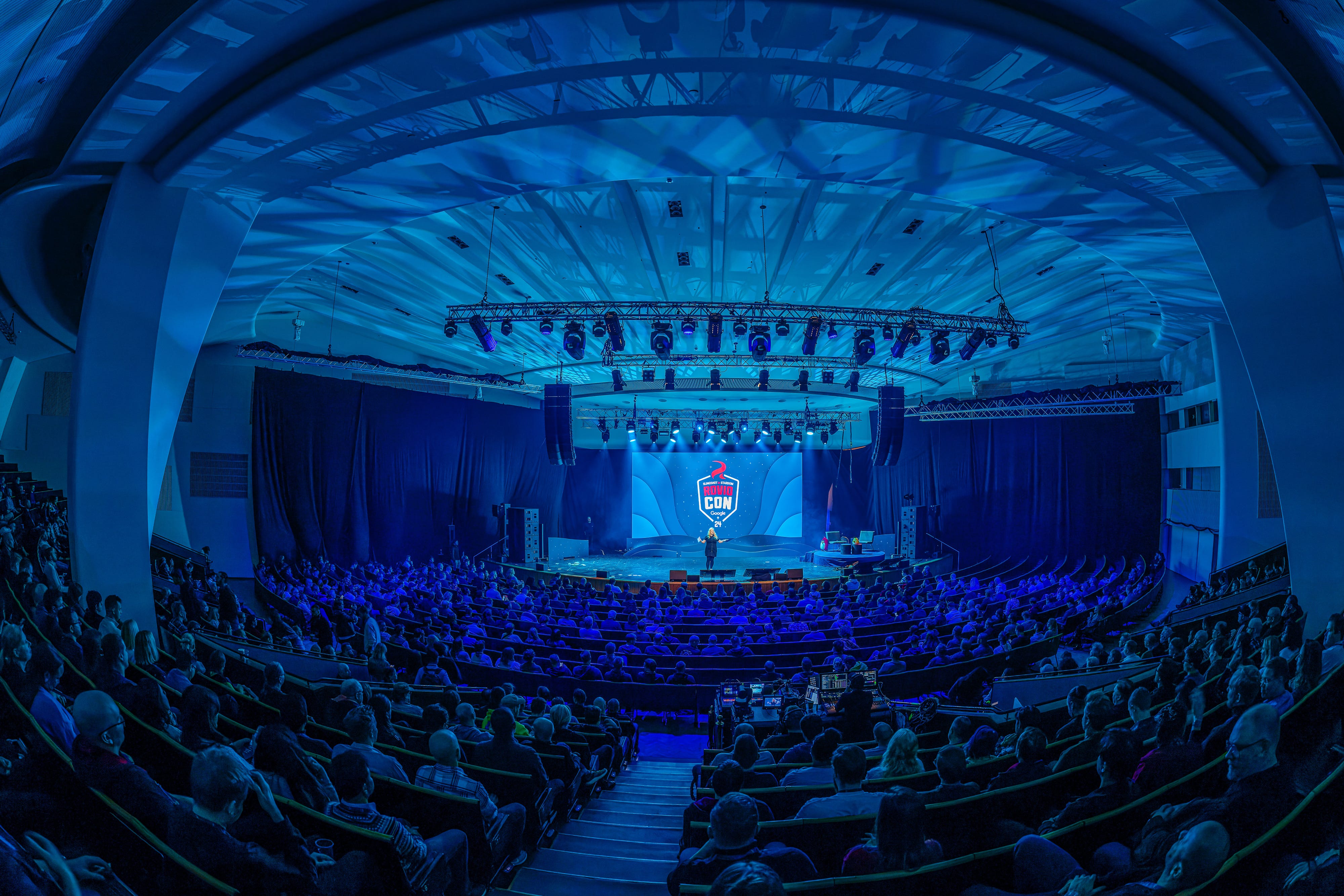
What’s amazing about RovioCon is that with just under 1000 attendees it is large enough to meet a lot of different folks, but at the same time it’s small enough to have meaningful conversations. It feels like a global village speckled with familiar faces. A mere 5 seconds after entering the venue, I bumped into the first person I really wanted to meet that day. More than an hour later, I was still in the lobby of the venue, bumping into person after person. Tickets are free (if you can get on the highly sought after invite list) - talk about value for (no) money.
Rovio and its partner Google put together a great lineup of speakers and content (someone just has to remind the Google folks to actually do less selling of their services on stage, or be less awkward trying to talk around it). It colored in three major areas:
1) Mobile gaming in 2024
The maturation of the mobile gaming industry is definitely under way. Developers and publishers showed an increased focus on improving the efficiency of existing live games instead of trying to launch and scale an array of new titles. This makes sense: given how expensive user acquisition has become and how much pressure that has placed on games to drive LTV to make the ROAS function of scaling games work, it is a seemingly safer bet to focus on what already works. This inevitably leads to somewhat of a zero-sum game, where established games will try to win back lapsed players from the past and go directly after players who play their competitor’s game. The overall pie to go around won’t dramatically grow from this approach. Victim number 1: players, who will see fewer truly novel experiences. Victim number 2: smaller games and studios. Why? Because the advertising focus will shift even more towards the already big guys. There’s already evidence of this: both app stores are redirecting traffic to mobile games with the strongest in-app purchases because it more predictably increases their respective revenues rather than betting on an unknown new game. More of the same. Poor consumer.
While overall revenue of mobile gaming is up year-over-year, it’s important to look at where the growth is coming from - and it’s a tale of two app stores. Revenues on the Apple App Store grew - revenues on the Google Play Store contracted. It will be interesting to see how much longer Apple will be able to maintain its dominance over the mobile ecosystem from offering access to the billion most affluent consumers globally. The new Epic Game Store will offer a viable alternative. Microsoft is said to be pondering its move in mobile. But as long as the money is made on iOS, it’ll be an uphill battle to lure developers away from Apple. High (dare I say excessive) fees on in-app purchases or not.
The two directions revenue typically takes (because is staying flat really a direction?) was also visible when contrasting some of the biggest games in the space. While Scopely’s MonopolyGo only needed 473 days to USD 3bn in total revenue, Genshin Impact’s revenue collapsed by 50% year-over-year (according to SensorTower).
2) Power of fandom
Fans are turning into creators, creators are turning into fans - it’s the new and dominant flywheel of content on the web. GenZ is leading the charge - 85% of GenZ fans watch or follow other fans who make content about the person or thing they’re a fan of at least weekly.
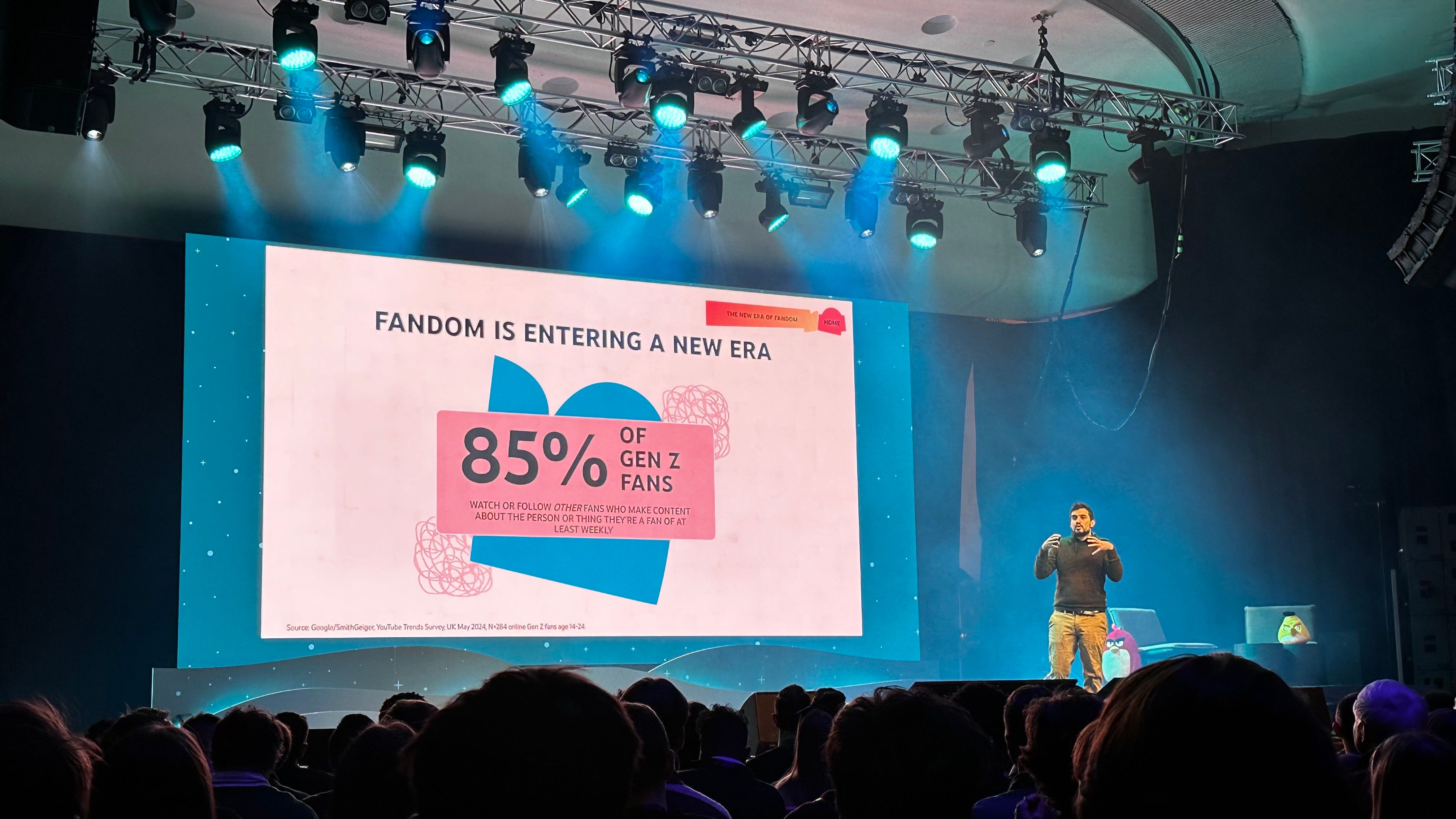
And YouTube is the epicenter of it all. More than 65 million creators contribute content to YouTube, where 2.7 billion users watch an astonishing total of 1 billion hours of video content. Every. Single. Day. Some of the content that boasts 215 million views (a single post that is) has me wondering if I’m simply getting too old for this or what I’m not getting about GenZ. Maybe it’s both. But seriously, have you seen the Skibidi toilet videos? Watch this and tell me I’m not the only one scratching their head. Anyway.
With that many consumers spending that much time, brands have no other choice but to embrace these cultural trends and let audiences shape their brand. As far as I’m concerned a lot of this is still in the experimental stages when it comes to tangible business impact for companies and brands. What I’m convinced will happen is that creators will go rogue and do to a brand what the brand doesn’t like - at all. It’ll be funny, messy, possibly with a lawsuit. I can’t wait.
3) Transmedia
The BIG buzzword that no one can’t seem to define well but without a doubt a major trend for 2025 (stay tuned for our predictions post) - transmedia. It’s the adaptation of video games into movies and TV shows, vice versa - plus an array of content to engage consumers along almost every touch point (think merchandise, books, comics, collectibles, etc.). Arcane, The Last Of Us, Borderlands, Fallout, The Witcher - the list goes on. The fundamental piece of advice that everyone seems to agree on (even if they can’t seem to agree on what transmedia means) is this: when migrating video game IP to movies or TV series, you can’t simply copy/paste the content and the story. Fans will get bored. You have to introduce new elements, but still stay true to the core essence and storyline - otherwise the die hard fans get upset. It’s a potential tightrope to walk. Rovio has seen success with bringing its gaming franchise Angry Birds to the movies. Angry Birds 2 grossed almost $153 million at the box office on a $65 million budget. And Angry Birds 3 is currently in production, in which the nostalgic IP will also see new characters introduced to its universe. There she is. The tightrope.
Speaking of: if you haven’t, you should mark December 20th in your calendar. The new Sonic the Hedgehog 3 movie will come out - alongside a Sonic Rumble mobile game. Rovio’s new parent company Sega, owner of the iconic hedgehog IP, is not only trying to extend the franchise’s movie universe. It’s attempting to supercharge the release by a simultaneous mobile game launch. Trying to time the transition from soft launch to global launch and get the game’s metrics right on a predefined date - that’s a double tightrope. Toru Nakahara, Head of Entertainment Production at Sega and Executive Producer for Sonic 3 said that the term transmedia is a bit vague and that it means many different things.
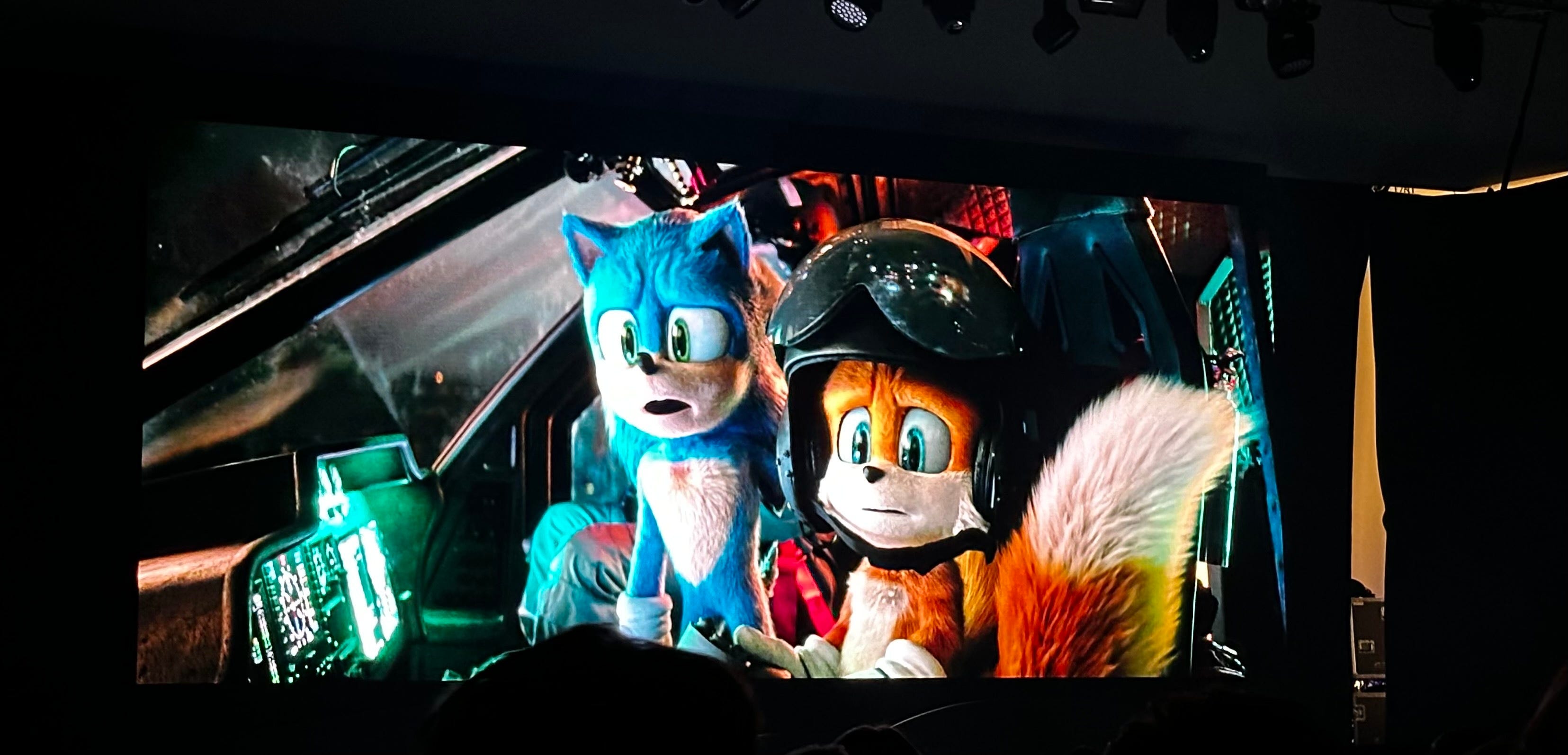
Hopefully for Sonic, it doesn’t mean epic disaster (I grew up playing Sonic on the Sega console, so I’m rooting for the blue hedgehog). We’ll be watching closely.