


I just returned from the inaugural iicon conference, the Entertainment Software Association’s bold attempt to build a dedicated space where gaming, entertainment, and brands sit at the same table. Two days, a star-studded lineup, and the kind of executive insight typically reserved for closed-door rooms.
Make no mistake: this first edition has clear opportunities to evolve in future iterations. The foundation, however, is undeniable. From EA CEO Andrew Wilson taking the main stage to skateboarding legend Tony Hawk holding court, iicon 2026 already feels like a fixture on the calendar.
I had the privilege of delivering a keynote on my book Press Play, walking through how brands can seize the generational opportunity that video games represent. More on that toward the end. First, let me share what I took away from the conversations that defined the event.
Here’s the bigger picture: every major media, tech, and consumer business in the room is making the same bet at the same time. Gaming has become the connective tissue of the next decade of entertainment.
Andrew Wilson on the Golden Age of Entertainment
EA’s Andrew Wilson opened the conference with a thesis that framed the entire two days. “We live in the golden age of entertainment.” The world sits at a critical technological inflection point, and in his view, game developers and publishers “have to be deliberate about it.”
Wilson projects the global gamer population will reach 5 billion within the next decade. Think about that scale for a moment. More than half the humans alive will be gamers.
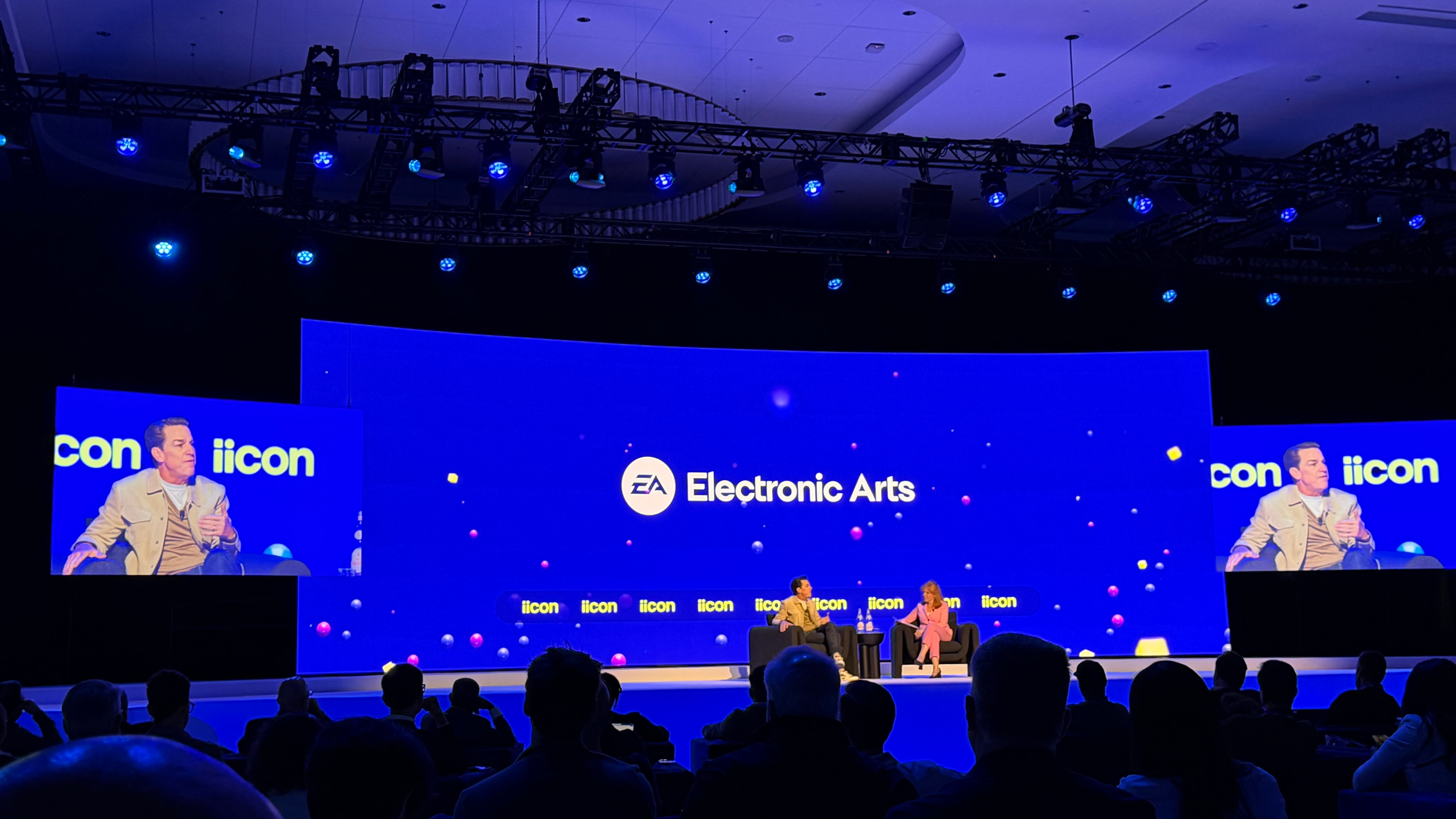
Scale is only half the story. Wilson’s vision for the future of entertainment centers on worlds built around IP, with multi-modal forms of content and engagement. Active consumption, passive consumption, social play, short form, long form. Each format has a reason to exist because each caters to a different consumer need at a different moment in their day.
For brands, the implication is clear. The battle has shifted from owning a single touchpoint to showing up across the full surface area of a fan’s relationship with a piece of IP.
Take-Two’s Strauss Zelnick on GTA VI and Brand Partnerships
The most anticipated entertainment release of the decade is still on track. Grand Theft Auto VI is set to launch in November this year, and Take-Two CEO Strauss Zelnick was the most pressed executive at the event.
When asked when the marketing campaign would begin, Zelnick offered the kind of answer only he can deliver. “Soon.”
What he was willing to discuss: brand partnerships. Take-Two will be highly selective about which brands enter the GTA VI universe.
“We need to stay true to the underlying franchise and our players, because they have a sixth sense for when things are off.”
That sixth sense is the thing brands need to internalize. Players have been trained over decades to detect inauthentic intrusion. The bar for partnership in a franchise of this magnitude has never been higher.
Zelnick did open another door. Take-Two’s mobile arm Zynga is coming off a stellar year, and with mobile gaming remaining the fastest-growing segment of the entertainment business, Zynga is well positioned to accelerate by making it easy for brands to embed themselves in mobile titles. Watch this space closely.
Netflix Gaming: The Last Screen Becomes the First Screen
Netflix’s gaming strategy is the most misunderstood narrative in entertainment right now. After a couple of years of public skepticism, the company’s gaming GM Alain Tascan came to iicon to recalibrate the conversation.
Tascan was direct.
“We want to entertain the world. Without gaming, you can’t really fulfill that promise.”
His core insight: consumers increasingly demand convenience and seamless consumption. With Netflix reaching 800 million viewers globally, the strategic goal is to expand fandom through games.
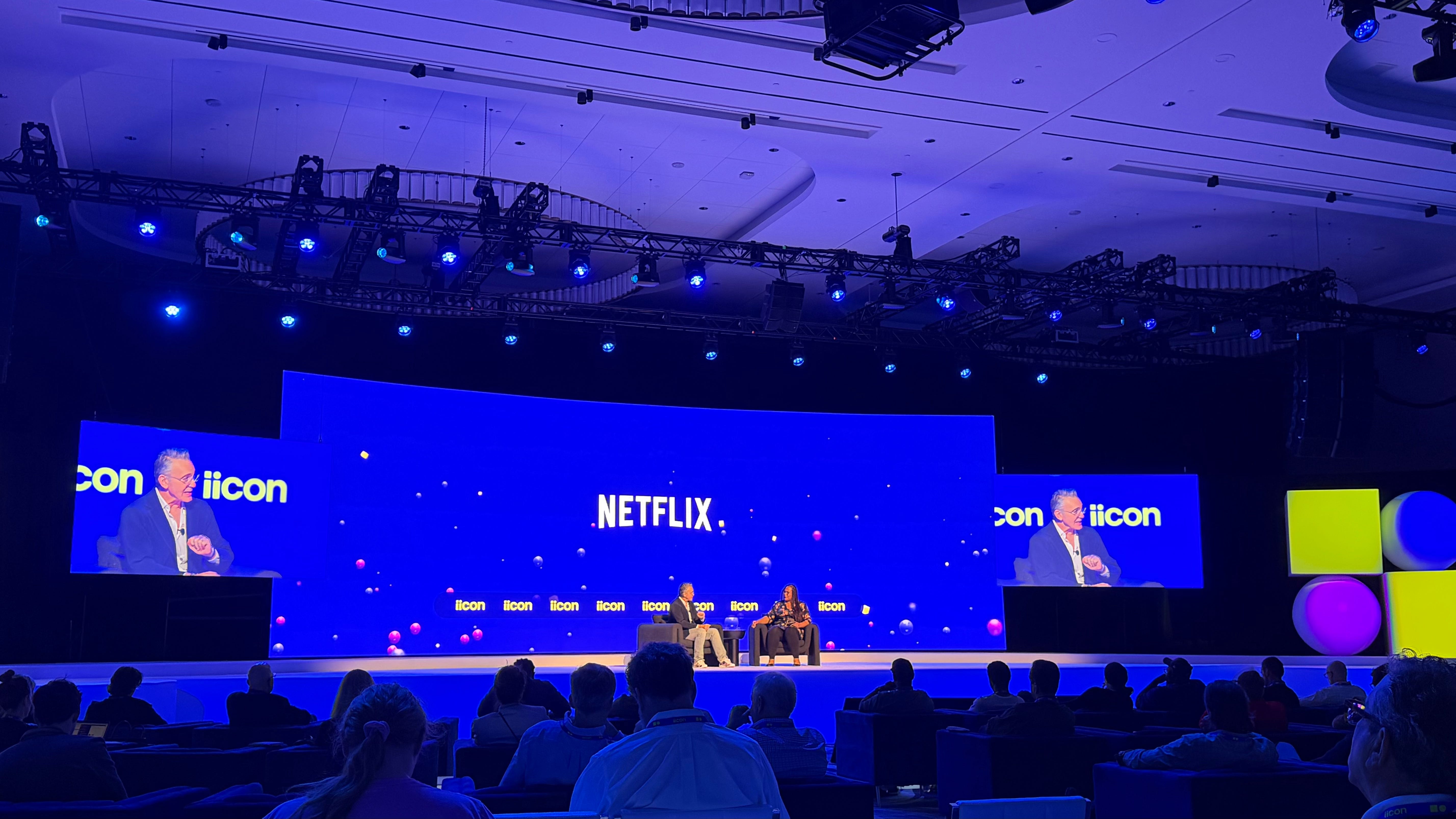
Picture this scenario. You finish the season of your favorite Netflix show. The last screen of the show becomes the first screen of the video game built in that same universe. You stay inside the world. You keep creating, keep exploring, keep paying attention.
Netflix has a fresh batch of original games launching this year. The commitment is real, the budget is real, and the strategic thesis lines up with where consumer behavior is already heading.
Amazon Luna: The Ecosystem Play That Could Finally Land
Amazon arrived at iicon with a message about Luna, its re-released cloud gaming platform. Luna is being positioned as the connective hub between Twitch, Amazon Games, and Amazon Prime, opening cross-pollination of use cases across the Amazon entertainment stack.
The pattern matches what Netflix is building. You watched Invincible, and Luna serves you an offer to play the game. You streamed a Twitch broadcast, and Luna lets you jump into the same title with one click. Prime membership becomes the wrapper that ties it all together.
For brands accustomed to thinking about Amazon as a retail channel, this is a meaningful expansion. The company is building toward a single integrated entertainment ecosystem with games as the engagement engine.
Yahoo! Enters the Chat
I’ll admit it: Yahoo making a serious gaming push was not on my 2026 bingo card.
The numbers tell the story. Yahoo still reaches 250 million users per month. Younger audiences are flowing back to the brand, drawn in by nostalgia and a refreshed product surface. People come for email, news, and finance, and they stay for daily habits.
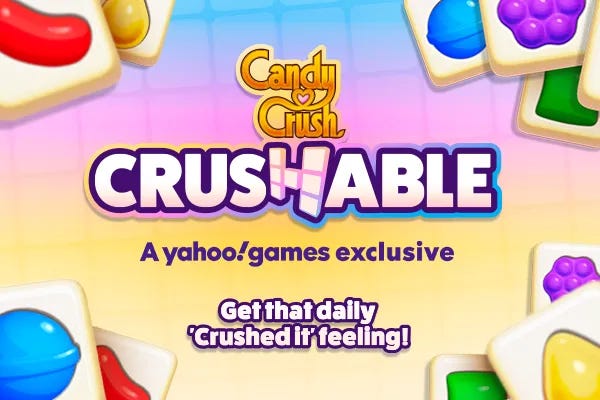
Games are a natural extension of those habits. Yahoo wants to increase engagement and reach new audiences through games. The early signal is promising: their puzzle title Crushable has seen 120% growth in its daily active user base since launch.
A new slate of original games arrives later this year. The audience is already there. The potential is real.
Press Play: Why Brands Cannot Afford to Sit This Out
In my keynote on Press Play, I left the room with a question I want to leave with you as well. If gaming is going to reach 5 billion people, sit at the center of every major streamer’s growth strategy, define how IP gets monetized, and become the connective tissue between Amazon, Netflix, Yahoo, and every major consumer platform, what is your brand’s position in that world?
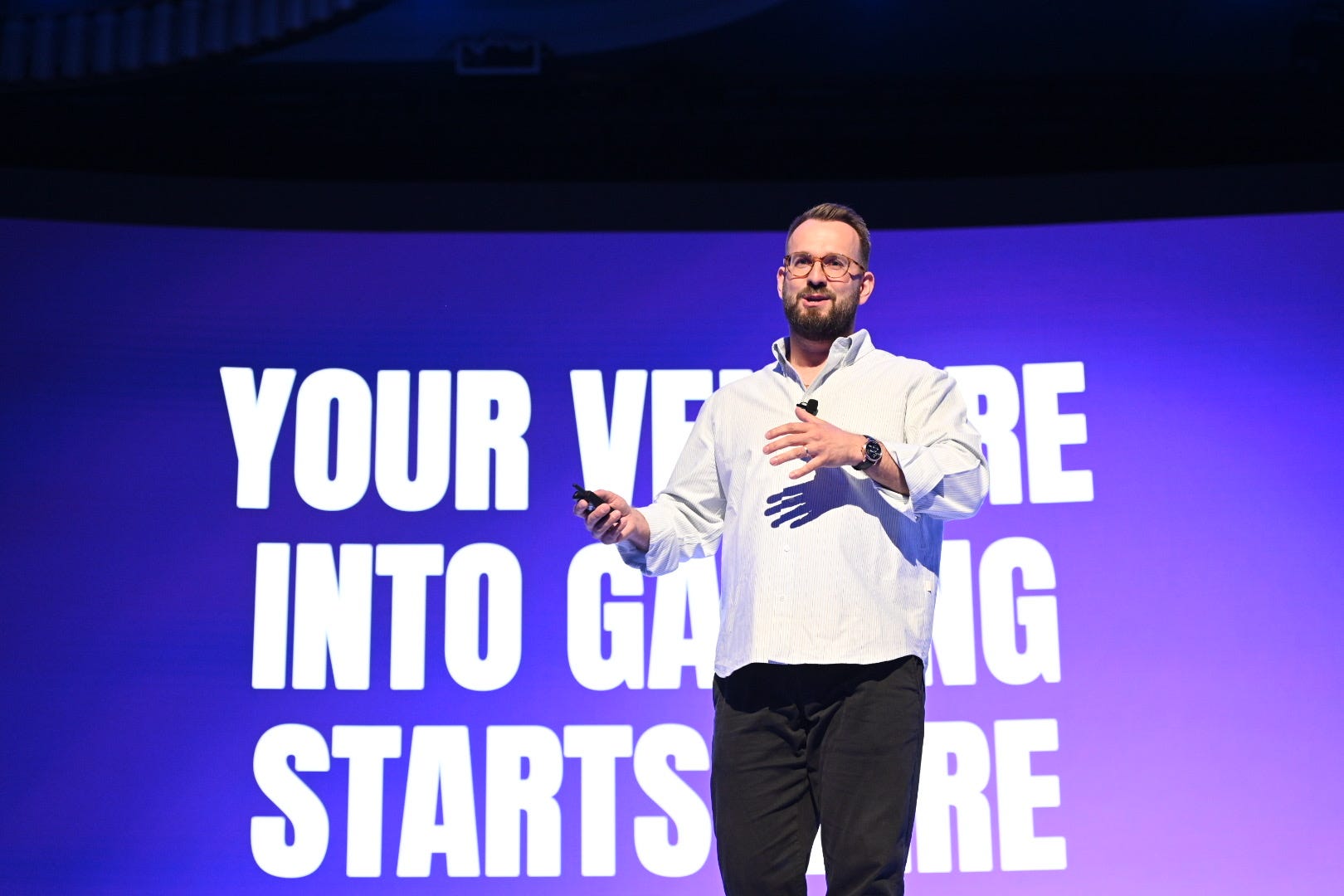
The window for figuring this out is closing. The brands that engaged with gaming early, deliberately, and with genuine respect for player communities are now reaping the benefits. The brands still waiting for a clearer signal will find that the signal arrived years ago.
Gaming defines the strategic environment of the next decade. Treat it accordingly.
What This Means for Decision Makers
Five takeaways from iicon 2026 that should land on every CMO’s and brand strategy leader’s desk.
The gaming audience is reaching universal scale. A 5 billion player forecast within the decade demands repositioning at the C-suite level. Working-team curiosity will fall short.
IP-driven worlds are the emerging media format. Wilson, Tascan, Zelnick, and Amazon’s leadership all described the same architecture from different angles. The unit of strategy has shifted from titles to worlds, from campaigns to engagement loops.
Mobile is the fastest pathway in. Zynga’s brand integration roadmap will be one of the most important developments to watch in 2026 and 2027, especially for brands with shorter creative production cycles and direct-to-consumer ambitions.
Player authenticity is the price of entry. Take-Two’s partnership philosophy reflects the rule across the entire industry. The brands that win in gaming look and feel native to the worlds they enter.
Cross-platform ecosystems are crystallizing fast. Amazon, Netflix, and Yahoo are each building stacks where games anchor the engagement loop. The next 18 months will define which ecosystem strategies actually scale.
iicon 2026 was the first edition. Based on the conversations I had with executives across the industry, the next one is going to be unmissable.
What was your biggest takeaway from iicon, or what did you wish had been on the agenda? Let me know in the comments.
Technically Entertaining is your front-row seat to the convergence of gaming, technology, and entertainment, written for the brand and strategy leaders shaping what comes next. If you found this useful, subscribe to get every issue delivered to your inbox.