


The last week of March this year will go down as one of the most pivotal weeks in history with regards to the future of the gaming and entertainment industries. Epic Games and Disney sent shock waves through the business community all the way from North Carolina to California, and back. What happened?
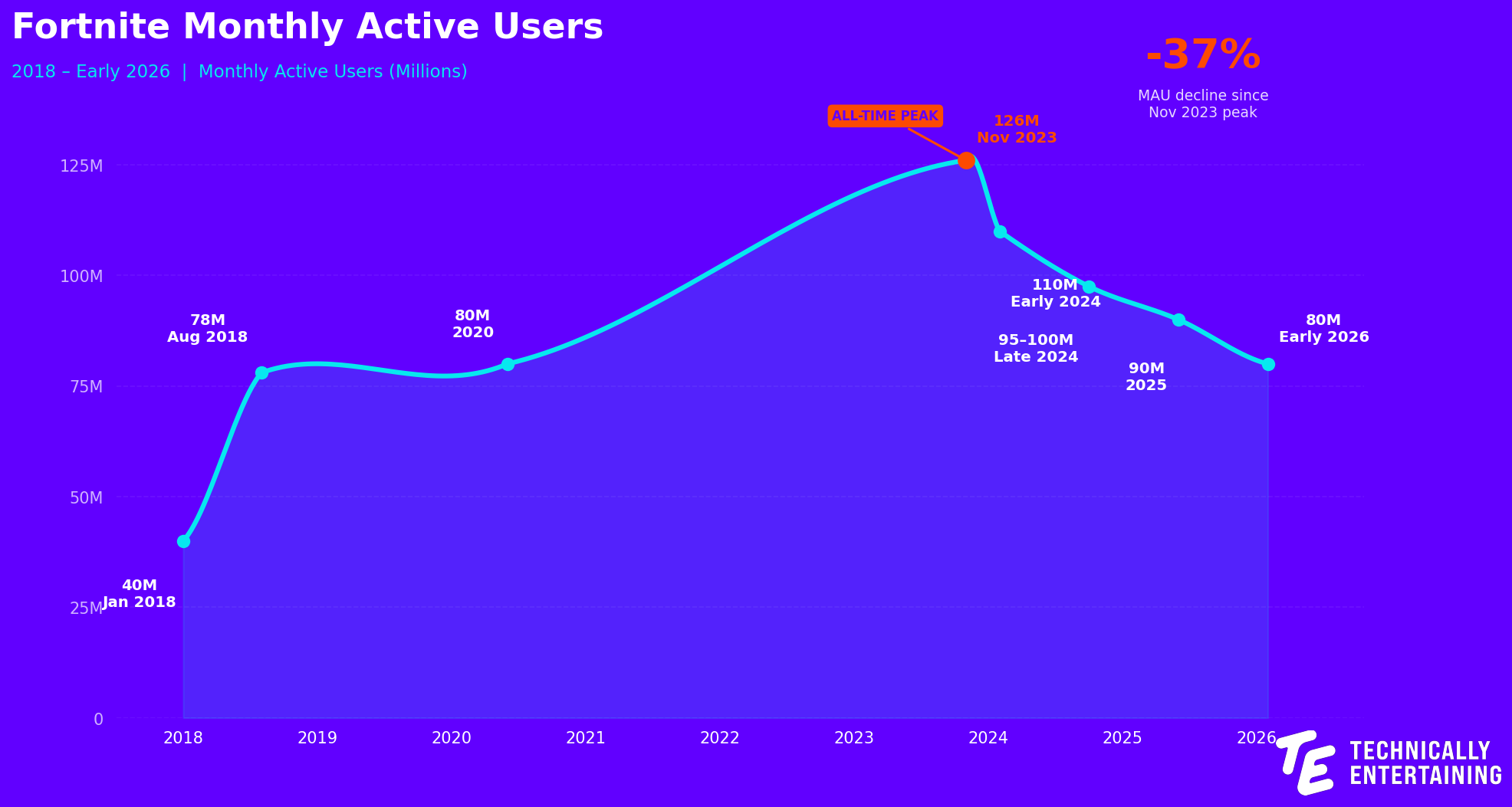
March 24: Epic Games announced it was laying off 1,000 people alongside a transformation program that aims to realize an additional $500 million in cost savings. Epic is making these deep cuts amid lackluster engagement numbers in its flagship game Fortnite. Still, for a company that has been known for loose budgets and spending habits, this marks a remarkable shift in execution and fiscal responsibility - something Epic Games’ investor base will certainly appreciate. Which brings us to Disney.
Later the same day: OpenAI announced it would refocus all of its efforts on code and the performance of its core models. In other words: Anthropic is running away from us. No more playtime for. That led to the company shutting down its Sora application, for which Disney had signed a $1 billion deal. The team around Disney’s new CEO Josh D’Amaro waited seven days, until March 31, to cancel its deal with OpenAI and pull back.
In a span of seven days, the worlds of gaming and entertainment seemed to have been turned upside down. It felt like someone shook the snow globe so hard that the scenery resembled an Arctic storm more than a peaceful winter wonderland. Now that the “snow” is starting to settle and clarity is taking over, a new possible reality emerged that I have been advocating for a long time.
Disney is rumored to be contemplating an acquisition of Epic Games.
Finally.
An opportunity this compelling for both sides in a transaction rarely comes around.
I have spoken to people on the inside of both companies over the past week, as well as industry insiders close to them. These are more than rumors - Disney is seemingly actively evaluating a potential deal to buy Epic Games. Given the recent layoffs and challenging performance, any deal will certainly come in below Epic Games’ $32 billion peak valuation exactly four years ago, as well as its $22.5 billion valuation when Disney invested $1.5 billion in February 2024. Disney’s current market cap hovers around the $175 billion mark. Its stock price is on the same level where it was 11 years ago. Meanwhile Netflix’s stock price jumped from roughly $6 to $99 in the same period.
Disney needs a transformational event - buying Epic Games can be just that.
Here’s why I love this deal for Disney.
A Consistent Customer Journey That Connects Physical And Digital
Owning Epic Games gives Disney the ability to stretch its IP portfolio across the entire consumer journey and embed themselves along a key consumer passion point - gaming - to be always-on and always in direct engagement with consumers. Where the Parks business is the cash cow, it is a bigger barrier and cost to the consumer to access those. Worlds within Fortnite significantly reduce that barrier while increasing the monetization potential. CEO Josh D’Amaro has already revealed his intention to release new movies inside of Fortnite. The Simpsons collaboration and orchestrated rollout showed us what the future of transmedia looks like. Owning Epic Games and its flagship games gives Disney more than the ability to own video games - it would own one of the most culturally relevant real-estate and distribution channels on the planet.
Previously released articles related to this topic


Strengthening Disney’s Flywheel
Disney refers to its flywheel a lot, where digital engagement acts as a leading indicator and driver for its parks revenue. Former CEO Bob Iger described Disney+ as the portal to its parks. In 2025, Disney reported record operating income of $10 billion for its parks, which management attributed to stronger demand driven by its digital engagement and the success of digital-native franchises in physical spaces. Fortnite gives Disney a lean-in medium as opposed to streaming, which is a lean-back medium. The intensified engagement from Disney-themed Fortnite worlds will very likely translate to more streaming engagement as well as greater park revenue - considering that BCG reports an 86% conversion rate from purchases in gaming environments to physical purchases.
Internal data shows that consumers who engage with branded tiles (Marvel, Star Wars, Pixar) for more than 10 hours a month on Disney+ are 3.5x more likely to book a park reservation or purchase high-end collectibles compared to casual viewers. Gaming will further enhance this dynamic.
Intensifying Already High Consumer Passion
Disney’s NPS in early 2026 was reported at 38, significantly outperforming other media companies. Its parks perform even better at 49. Last year, 7 out of the 10 most-watched streaming shows in the US were Disney properties. Estimates have 60-80% of Gen Alpha engaging with Disney content daily. The consumer passion is strong. The ability to co-create inside gaming environments and leverage your favorite Disney characters inside Fortnite - or build part of a new park yourself - will only intensify the already strong connection consumers have to the brand. This is the playbook Disney wanted to roll out with OpenAI via its Sora app. Fortnite comes with the tools and the ecosystem for user-generated content to turn this on day one.
Building Its Digital Laboratory
Athleisure giant Adidas considers video games as their digital warehouse. A way to test new concepts at scale at very low cost and significantly shorten the supply chain and associated risks of production. For Disney, the stakes are even higher. The new Space Mountain in Tokyo Disneyland is set to cost roughly $460 million, making it one of the most expensive attractions Walt Disney Imagineering has ever created. Imagine you invest all this money to launch a new ride and have it flop. In Fortnite, Disney can create new rides and attractions at almost no marginal cost, track and understand consumer engagement in real-time, iterate on the concept - and green light it for production in the physical world when the risk of failure is practically zero.
The Risks Disney Can’t Ignore
No acquisition of this scale comes without friction. Disney’s track record with large deals is mixed. Pixar and Marvel were transformational successes. The Fox acquisition was far more complicated. Integrating a gaming company requires organizational muscle Disney has not yet built. The cultures are different, the talent expectations are different, and the speed of iteration required in gaming runs at a pace that large entertainment companies are structurally not designed for.
Epic Games’ valuation is still a negotiation. Even discounted from its peak, a deal of this size represents a meaningful portion of Disney’s $175 billion market cap. D’Amaro and his board will need to make a compelling case to shareholders that the strategic value justifies the premium.
And then there is Tim Sweeney. Epic’s founder and CEO has built one of the most influential companies in gaming with a clear vision and a willingness to fight his battles publicly - he took Apple to court over App Store fees and kept going for years. Sweeney’s continued involvement will be a defining factor in any transaction. Structuring a deal that retains his energy and creative ambition is as important as getting the price right.
What This Means for Brands
If this deal closes, it fundamentally reshapes how brands access gaming audiences. Right now, Fortnite brand deals go through Epic Games. A Disney-owned Fortnite changes the economics and the creative expectations. Brands that want access to Fortnite’s 80 million monthly active users will be negotiating with Disney’s brand partnerships team - a team that knows how to protect IP equity and will price access accordingly.
The bigger shift is strategic. Disney acquiring Epic does not just change who you negotiate with. It redefines what gaming means as a brand marketing channel. Disney’s IP management discipline combined with Fortnite’s cultural reach creates a new tier of branded entertainment. Think less “promotional activation inside a game” and more “co-authored cultural moment at global scale.”
The brands building genuine gaming competencies right now - that understand how to show up authentically in interactive environments and have a point of view on what their brand means inside a game world - will have a significant head start when this consolidation reshapes access and pricing. Passive observers will be paying premium rates for whatever inventory Disney decides to make available. Active participants will already have built the muscle.
The window to experiment cheaply and build fluency in gaming is still open. It will not stay that way much longer.
What do you think? Is a Disney acquisition of Epic Games the transformational deal both companies need, or does integrating a gaming giant into an entertainment empire create more risk than reward? Let me know in the comments.
Technically Entertaining covers business strategy at the intersection of gaming, technology, and entertainment - for the decision-makers shaping what comes next. Subscribe below to get every issue directly in your inbox.