


Dear Readers,
I was reviewing Tencent's quarterly earnings last week when when two numbers jumped out at me. Domestic games revenues, resulting from sales in China, increased by 24% year-on-year. Revenue from Tencent’s international gaming business unit jumped 23% year-on-year. The strategy is clear: Tencent isn't making Chinese games for Western audiences anymore. They're making global games that happen to be developed in China.
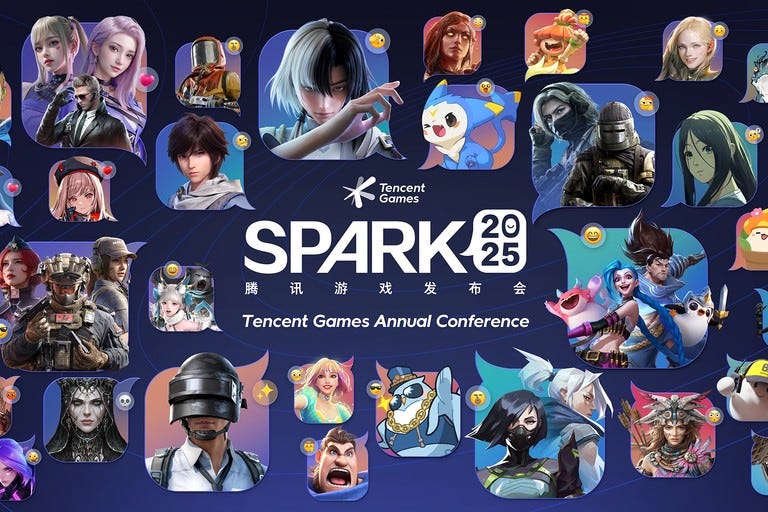
The numbers back up this strategy. Tencent now fully owns Riot Games, holds major stakes in Supercell, Epic Games, and Ubisoft, making it the world's largest gaming company by revenue as of 2025. But this dominance didn't happen by accident - it's the result of a systematic strategy to overcome the cultural, regulatory, and distribution barriers that have historically kept Chinese entertainment trapped within its borders.
In part one, we explored how Chinese IP exploded onto the global stage. Now, let's examine the sophisticated playbook Chinese companies are using to break through Western resistance - and why some strategies are working while others are failing spectacularly.
The Cultural Firewall: Why Chinese Content Struggled
The Language and Storytelling Barrier
Despite breakthrough successes like Black Myth: Wukong and The Three-Body Problem, Chinese entertainment struggled and often still hits a wall when it reaches Western audiences. The fundamental problem isn't production quality - it's cultural translation.
Mandarin-language content, often rooted in uniquely Chinese social, historical, or mythological contexts, remains a challenging sell to broader Western audiences. Subtitles continue to be a barrier for many viewers, and Chinese storytelling conventions can feel misaligned with Western preferences for concise, serialized formats and different pacing.
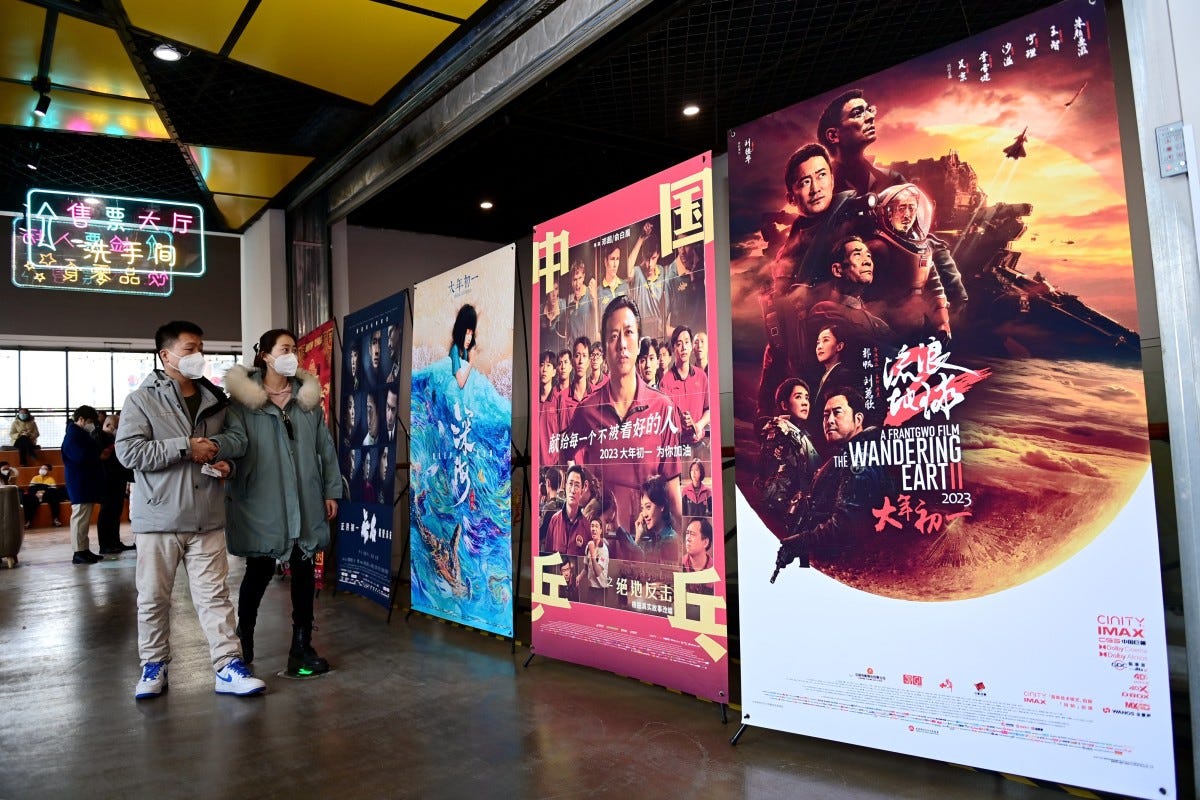
The data tells the story: while China's top 25 films generate nearly $6 billion in domestic box office revenue, their international performance remains anemic. Ne Zha 2 earned $2.2 billion domestically but only $20.8 million in the US. The Wandering Earth 2 generated $604 million at home versus a few million in America.
The Regulatory Straightjacket
Most Chinese studios still develop with a domestic-first mindset, shaped by government oversight and audience expectations. Strict censorship constrains creative risk-taking and global storytelling appeal. This regulatory environment often limits the kind of bold and creative content that garners critical acclaim in international markets.
The result is content that feels sanitized and predictable to Western audiences accustomed to more provocative storytelling. When every script must pass through layers of bureaucratic approval, the creative spontaneity that drives viral global content gets lost in translation.
Distribution Remains King
Chinese films rarely secure wide theatrical releases in the West, where screens are dominated by Hollywood and foreign-language films remain niche. U.S. import quotas further limit exposure, typically favoring major domestic blockbusters tied to Chinese holidays.
In gaming, digital distribution has opened doors, but console development only began in earnest after China lifted its ban on consoles in 2014. As a result, console titles like Black Myth: Wukong are only now starting to emerge - explaining why Chinese gaming companies spent years perfecting mobile-first strategies while Western developers focused on console and PC.
The Perception Problem
While content quality has improved dramatically, legacy biases remain entrenched. Western audiences often associate Chinese films with state messaging and Chinese games with aggressive monetization tactics. These stereotypes shape perception before audiences even engage with the content.
Any high-profile misstep can reinforce negative narratives. Sustained change requires not just better content, but consistently excellent execution, localization, and community trust-building over time.
The Chinese Playbook: Six Strategies for Global Domination
Strategy 1: Strategic Partnerships Over Direct Competition
Instead of competing head-to-head with Hollywood, Chinese companies are embedding themselves within Western entertainment ecosystems. In film, co-productions and co-financing deals provide distribution access and risk-sharing. Alibaba's backing of Mission: Impossible - Fallout exemplifies this approach - Chinese capital supporting Western IP for global distribution.
In gaming, Tencent and NetEase have acquired or invested in major Western studios to gain market insights, IP rights, and development capability. Collaborative titles like Diablo Immortal and Call of Duty: Mobile blend Western branding with Chinese development expertise, leveraging global fan bases while utilizing Chinese production efficiency.
The co-produced Kung Fu Panda 3 grossed over $500 million globally, proving that East-West collaboration can create content that resonates across cultures while satisfying both markets' regulatory requirements.
Strategy 2: Acquisitions and Financial Integration
Chinese firms have gone beyond partnerships to acquire stakes in dozens of Western entertainment companies. This strategy reversed the traditional East-West dynamic: Chinese capital now underpins many of the West's biggest gaming titles, embedding China directly in the creative and financial ecosystems of global entertainment.
Tencent's global gaming footprint represents the most successful execution of this strategy. By owning the companies that create globally beloved games rather than competing against them, Chinese companies have achieved influence that would have been impossible through content export alone.
Strategy 3: Localization and Cultural Adaptation
Chinese content today is increasingly crafted with global audiences in mind. This means more than just subtitles: it includes native voice acting, editing for cultural fit, and thematic framing that transcends borders. Studios are choosing globally appealing genres while avoiding China-specific tropes that may alienate non-Chinese viewers.
The transformation is evident in gaming, where titles like Genshin Impact feature anime-inspired art styles and fantasy worlds that feel culturally neutral while incorporating subtle Chinese elements. This approach allows Chinese developers to maintain cultural authenticity without alienating Western players.
Strategy 4: Hollywood-Level Production Quality
To compete globally, Chinese IP is now built with Hollywood-level polish. Films like The Wandering Earth impressed critics with blockbuster-grade special effects, while AAA games showcase cutting-edge graphics engines. This elevation in technical quality has helped Chinese titles overcome lingering perceptions of low-budget or "second-tier" status.
The investment in production values signals a strategic shift: Chinese companies are no longer trying to compete on cost alone, but on quality and innovation.
Strategy 5: Global Marketing and Fan Engagement
Chinese firms have revolutionized their approach to international promotion. Studios now premiere at Cannes, TIFF, and Venice, while game publishers attend Gamescom. Titles are promoted via Western social media, influencer partnerships, and active community engagement.
Tencent's show The Untamed became a global streaming hit thanks to fan activity on Twitter and Tumblr, amplified by Netflix distribution. This organic community building proved more effective than traditional advertising at creating genuine cultural crossover.
Strategy 6: Licensing and Content Exchange
An emerging model involves exporting IP formats for local adaptation. Chinese dramas like Go Princess Go have been remade in Korea and Japan, while Netflix's Three-Body Problem adapts a Chinese sci-fi epic for Western TV. These co-developed stories create shared cultural ownership and broader appeal.
Western productions are also inserting Chinese actors or storylines into blockbusters, slowly normalizing Chinese representation. Films like Iron Man 3 and Transformers: Age of Extinction exemplify this approach, helping build Western familiarity with Chinese culture, places, and brands.
Gaming: The Cultural Bridge That Actually Works
Why Gaming Succeeded Where Film Failed
Of all entertainment sectors, gaming has proven the most effective vehicle for Chinese IP globalization. Titles like Genshin Impact boast massive player bases in North America and Europe, with over 24 million downloads in the U.S. alone. Fan culture, from cosplay to social media art, signals genuine cultural integration.
Gaming works because it transcends language barriers and cultural context in ways that film and television cannot. A well-designed game mechanic feels the same regardless of the player's cultural background, while a culturally specific joke or reference might fall flat.
Chinese companies also perfected free-to-play monetization models in their massive domestic market, then exported these systems globally just as mobile gaming exploded worldwide. Chinese gaming companies were able to operate at profit margins up to 70%, thanks to effective monetization, versus ~30% for typical Western peers. Western companies are still catching up to Chinese expertise in player retention and monetization.
The Network Effect
Chinese gaming companies benefit from network effects that film companies lack. Once a game builds a global player base, social dynamics and community features keep players engaged across cultural boundaries. A Chinese-developed game with millions of international players becomes a cultural bridge, not just a product export.
This explains why Chinese gaming companies are now deeply embedded in the Western entertainment ecosystem, helping shape global content, monetization models, and player engagement in ways that Chinese film companies can only dream of achieving.

The State-Backed Soft Power Engine
The Government's Strategic Vision
All of these advances have been heavily accelerated by the Chinese government's deliberate push to expand its influence across global entertainment. Beginning with the 12th Five-Year Plan (2011–2015), China's leadership identified cultural industries as a future economic "pillar" and a tool for global influence.
Backed by generous state support including subsidies, tax incentives, and regulatory protections, the sector grew rapidly. Between 2010 and 2019, the value-added from China's culture industry rose from 2.5% to 4.5% of national GDP.
The current 14th Five-Year Plan (2021–2025) maintains this momentum but emphasizes high-quality growth and ideological alignment. Public funding remains strong, with billions of yuan directed toward creative companies, digital infrastructure, and politically aligned content.
The Three-Pronged Strategy
Chinese investments in global entertainment have generally followed three strategic goals:
Control distribution channels: Ownership of cinema chains like AMC and investment in streaming platforms help shape content pipelines into and out of China.
Acquire production expertise: Co-financing and studio stakes have allowed Chinese investors to learn from Hollywood's playbook and influence how China is portrayed on screen.
Elevate Chinese IP globally: Through co-productions and partnerships, China aims to position its cultural content as mainstream alongside Hollywood.
By the late 2010s, Chinese capital was backing a huge portion of Hollywood films. Though outbound investment was curbed by regulators in 2017 to rein in over-leveraging, the structural imprint remains.
The Winners and Losers
The Companies Getting It Right
Tencent represents the gold standard for Chinese entertainment globalization. By acquiring Western companies rather than competing against them, they've achieved influence that would have been impossible through content export alone. Their strategy of embedding Chinese capital and expertise within Western entertainment ecosystems has created sustainable competitive advantages.
NetEase has followed a similar path, acquiring studios and launching overseas branches. These companies understand that global success requires more than just translating Chinese content - it requires becoming integral to Western entertainment infrastructure.
The Companies Getting It Wrong
Traditional Chinese film studios that continue to prioritize domestic audiences while hoping for international success are consistently disappointed. Their content remains too culturally specific and regulatory-constrained to achieve meaningful Western market penetration.
Companies that rely on traditional distribution models - theatrical releases, dubbing existing content, hoping for organic discovery - are fighting yesterday's war with yesterday's weapons.
The Future: Embedded Influence Over Direct Competition
The Next Phase of Chinese Entertainment Strategy
As of 2025, China's entertainment strategy continues to blend industrial ambition with geopolitical intent. While regulatory headwinds persist, the long-term goal remains clear: to build globally competitive media companies and mainstream Chinese culture on the world stage.
The most successful Chinese entertainment companies are no longer trying to export Chinese content to Western audiences. Instead, they're becoming integral to Western entertainment ecosystems, influencing global culture from within rather than competing from outside.
What This Means for Western Companies
Chinese entertainment companies are learning from past missteps and refining their approach to be both authentically Chinese and globally palatable. If they continue on this path, we can expect Chinese entertainment IP to carve out a growing share of Western screens and minds.
The companies that understand this shift will position themselves to profit from the largest cultural transformation in decades. Those that ignore it will find themselves competing against better-funded, more strategic competitors who already understand the new rules.
The Geopolitical Reality
Several factors will determine how far Chinese IP penetrates Western markets: the ability of Chinese storytellers to craft narratives with universal appeal, the easing of cultural barriers through better localization and mutual understanding, and the geopolitical climate, which can either facilitate cross-pollination or erect new walls.
For now, Chinese entertainment companies are winning by playing a different game entirely - not trying to replace Western entertainment, but becoming so embedded within it that the distinction becomes meaningless.
The revolution isn't about Chinese content conquering Western screens. It's about Chinese companies owning the systems that determine what appears on those screens in the first place.
The transformation of the global entertainment industry is accelerating, driven by Chinese strategic investments and Western market evolution. Subscribe to Technically Entertaining for exclusive insights into the business strategies and cultural shifts reshaping the $200 billion entertainment ecosystem.